
Discovering Lincoln Place: The Heartbeat of Old Gretna
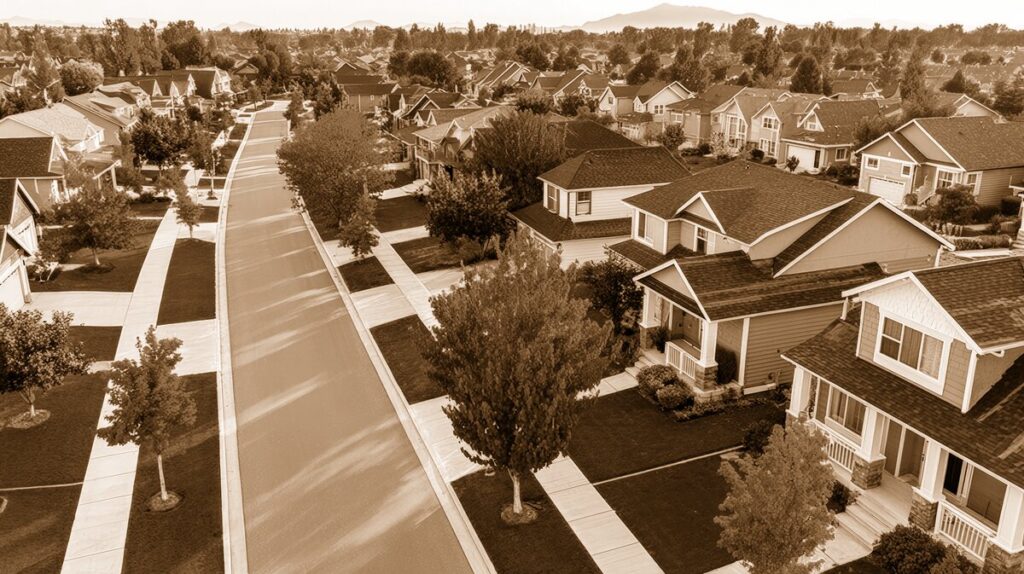
Nestled in the northern reaches of Gretna, Lincoln Place stands as one of the city’s most storied and beloved neighborhoods. For generations, it has quietly woven its own story—one of welcoming streets, deep roots, and a community spirit that endures through the decades. As a longtime resident, I can say that Lincoln Place is more than just a collection of homes; it’s a living chronicle of Gretna’s past and a model for its future.
The Origins of Lincoln Place
The tale of Lincoln Place begins in the early 1900s, at a time when Gretna was transitioning from a rural village into a budding railroad town. The land that would become Lincoln Place was originally farmland, marked by wide-open prairies and the far sounds of steam locomotives from the nearby Union Pacific lines. By the 1920s, as Gretna grew, demand for new housing brought about the subdivision of these lands.
The neighborhood took its name from the majestic Lincoln Avenue, which runs through its center even today. The street, in turn, honors President Abraham Lincoln—a common namesake across Nebraska, but in Gretna, the intention was to evoke ideals of honesty, unity, and progress. Early residents recall how Lincoln Avenue became the “main street” for the new community, lined with elm and maple saplings that have since grown into towering sentinels.
Key Historical Milestones
Lincoln Place’s history is punctuated by several significant moments that shaped its character:
- 1924 – The opening of Lincoln Place Elementary, a two-room brick schoolhouse located at the intersection of Lincoln Avenue and North 3rd Street, provided a focal point for local families. Though the original building no longer stands, its legacy lives on in stories passed down from former students.
- World War II boom – With the postwar housing demand surge, several bungalow and craftsman homes were constructed between 1945 and 1955 along streets like Park Lane and Maple Drive. These classic homes still lend the neighborhood much of its timeless charm.
- 1960s Community Association – In response to growing families and a desire for recreational space, the Lincoln Place Neighborhood Association was established, eventually leading to the development of Maple Park—a beloved green space that hosts summer picnics and annual celebrations.
Landmarks and Notable Buildings
While Lincoln Place is primarily residential, several landmarks stand out as symbols of its enduring legacy:
- Maple Park – Located at the heart of the neighborhood near Maple Drive and North 2nd Street, the park offers shady picnic tables, a playground, and well-tended flower beds. It’s the gathering place for everything from Fourth of July festivities to evening strolls among neighbors.
- The Old Stone House – Built in 1931 and located on Lincoln Avenue, this lovingly-preserved limestone home was once the residence of the area’s first postmaster. Its distinctive architecture and weathered entryway have made it a favorite backdrop for family photos.
- Lincoln Place Community Church – Just off Park Lane, this quaint, white-steepled church has served as both a spiritual and social center for over 80 years, hosting generations of baptisms, weddings, and potluck suppers.
The Evolution of a Neighborhood
Lincoln Place’s story is one of quiet transformation. As Gretna has expanded over the past century, the neighborhood’s mix of historic homes, mid-century builds, and carefully integrated new construction tells the tale of change that has not sacrificed character. In recent decades, newer families have moved in, drawn to Lincoln Place’s safe streets and the strong sense of community that persists despite the passage of time.
Longtime residents like to recall the days when children could be found playing kickball in the middle of Lincoln Avenue, or when neighbors would gather on front porches to share gossip as the sun set over Gretna. While times have changed—today’s children might ride bikes to Maple Park or participate in annual Easter egg hunts—the neighborhood’s core values of friendliness and belonging remain unshaken.
The People of Lincoln Place
Perhaps what stands out most about Lincoln Place is its people. Generations of families have made this corner of Gretna their home, some tracing their roots back to the original farmers who first broke ground here. It’s not uncommon to meet grandparents who remember school days at the old Lincoln Place Elementary or who recall borrowing sugar from the Smiths down on Maple Drive.
Community events—a staple in the neighborhood—have fostered lifelong friendships and a rare sense of neighborliness. Annual summer barbecues, holiday light contests, and spring clean-up days bring out both the old-timers and the newcomers, reinforcing that Lincoln Place is a place where everyone belongs.
A Sense of Place, Past and Future
What makes Lincoln Place unique among Gretna’s neighborhoods is its ability to blend the old with the new. The gnarled tree roots peeking through the sidewalks along Lincoln Avenue serve as daily reminders of how deeply history runs beneath modern life. Meanwhile, thoughtfully-renovated homes and young families on evening walks reflect the promise of continued vitality.
For anyone seeking a sense of connection—to both history and community—Lincoln Place remains a shimmering example of small-town Nebraska at its very best.
Walking Tour: A Suggested Route
To truly appreciate Lincoln Place, set aside an afternoon to wander its quiet streets:
- Start at the corner of Lincoln Avenue and North 3rd Street, the historic site of the old schoolhouse.
- Walk north along Lincoln Avenue, admiring the historic homes and the venerable Old Stone House.
- Pause at Maple Park to relax on a bench and watch children play.
- Head west along Park Lane, waving at neighbors tending to their gardens.
- Finish your stroll at the Lincoln Place Community Church, where you might catch a glimpse of a community gathering in progress.
Lincoln Place waits, ever-welcoming, to share its story with those willing to listen.